
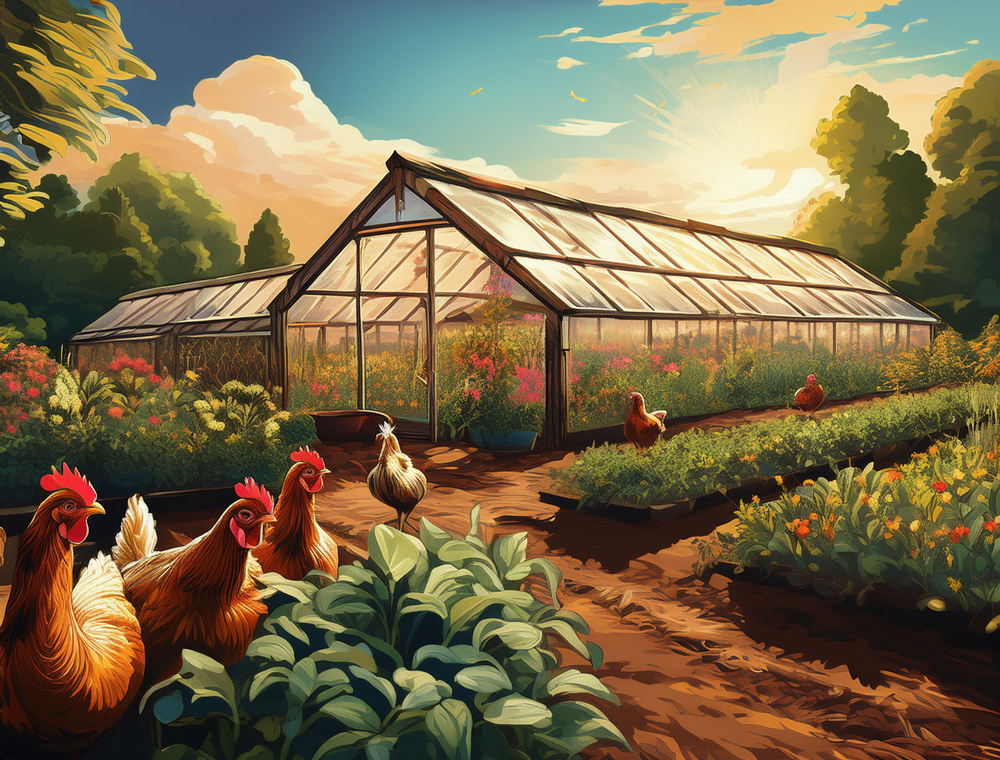

Regenerative Agriculture: Practical or Not?
Regenerative agriculture has gained significant momentum in recent years—and for good reason.
This approach focuses on:
- Improving soil health
- Increasing biodiversity
- Enhancing nutrient cycling
- Supporting long-term farm resilience
At its core, regenerative agriculture aims to produce crops while rebuilding the soil system that supports them.
But a key question remains:
Is regenerative agriculture practical at scale?
What Is Regenerative Agriculture?
Regenerative agriculture is a biologically driven farming approach that emphasizes:
- Soil organic matter building
- Microbial activity
- Reduced disturbance (e.g., no-till)
- Cover cropping
- Reduced synthetic inputs
These systems rely heavily on living biology (microbes, fungi, plants) to cycle nutrients and improve soil structure over time.
Research consistently shows regenerative practices can:
- Improve soil health indicators
- Increase water retention
- Enhance nutrient cycling
The Challenge: Why Many Growers Struggle to Adopt It
Despite the benefits, many growers hesitate to adopt regenerative systems.
Key barriers:
- Time to transition (often multiple seasons)
- Yield variability during transition
- Increased management complexity
- Knowledge and labor requirements
Regenerative systems are biologically complex and less predictable in the short term, especially when compared to conventional programs.
Conventional Agriculture: Why It Still Dominates
Conventional (synthetic) systems remain dominant because they offer:
- Precision and control
- Predictable results
- Immediate nutrient availability
- Simpler implementation
These systems are designed to optimize yield efficiency in the short term, particularly in controlled environments.
However, long-term challenges may include:
- Soil degradation
- Reduced biological activity
- Nutrient inefficiencies over time
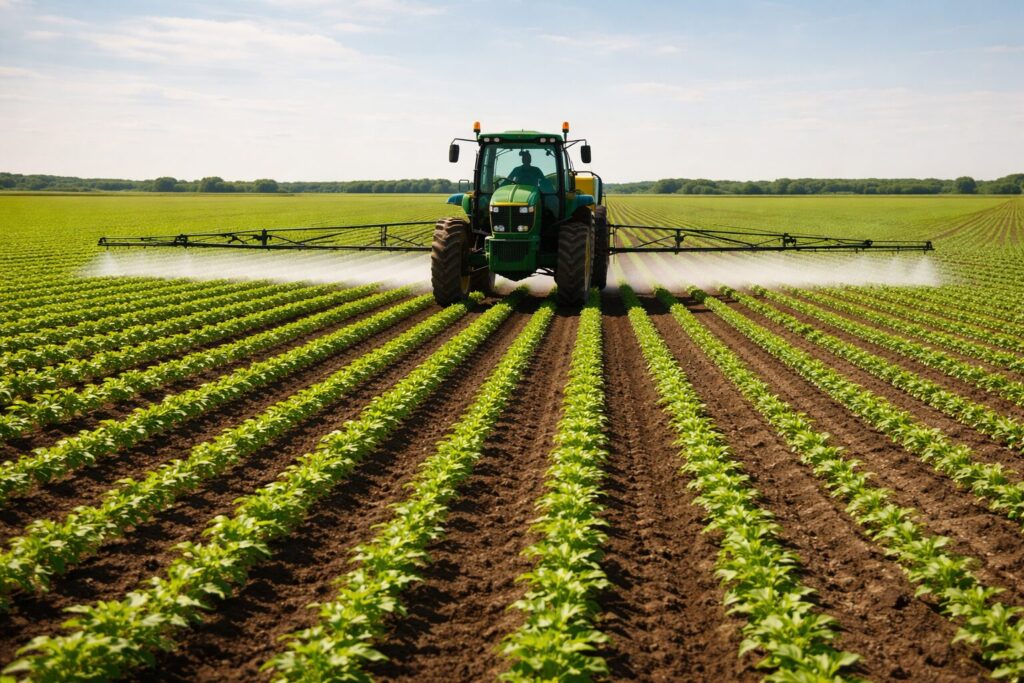
Conventional management practices represent ~90% of all agriculture on a global scale (as of 2025)
So Which Approach Is Better?
Neither system is universally “better.”
They serve different goals:
- Conventional → efficiency, control, yield predictability
- Regenerative → resilience, soil health, long-term sustainability
A useful analogy:
- Conventional = short-term optimization
- Regenerative = long-term system building
TAble 1. Regenerative vs Conventional: Key Differences
| Feature | Conventional | Regenerative |
| Approach | Reductionist | System-based |
| Timeframe | Short-term | Long-term |
| Complexity | Lower | Higher |
| Predictability | High | Variable |
| Soil Biology | Limited | Central focus |
| Sustainability | Input-dependent | System-driven |
The Real Opportunity: A Hybrid Approach
The most effective modern systems are not purely one or the other.
They combine strengths of both.
This approach is often referred to as:
- Integrated Nutrient Management (INM)
- Hybrid or “biologically enhanced” systems
These systems combine:
- Precision synthetic inputs
- Biological amendments
- Soil-building practices
5 Practical Strategies to Bridge the Gap
1. Use Precision Agriculture Tools
- Soil sensors, EC monitoring, variable-rate application
- Apply inputs only where needed
- Improve efficiency and reduce waste
2. Introduce Beneficial Microbes
- Add microbial inoculants to improve nutrient cycling
- Enhance nutrient uptake efficiency
- Support plant resilience
3. Combine Synthetics with Organic Inputs
- Use synthetic fertilizers for immediate availability
- Pair with organic matter to support biology
- Improve long-term nutrient efficiency
4. Use Biochar for Buffering
- Helps stabilize pH and nutrient availability
- Improves cation exchange capacity
- Supports microbial habitat
5. Integrate Cover Crops (Outdoor Systems)
- Build soil organic carbon
- Support microbial communities
- Improve soil structure and water retention
Why This Hybrid Model Works
Combining approaches allows growers to:
- Maintain yield performance
- Improve soil health over time
- Increase nutrient efficiency
- Reduce long-term input dependency
Instead of choosing between systems, growers can optimize both biology and precision.
The Takeaway
Regenerative agriculture is powerful—but not always immediately practical.
Conventional systems are efficient—but biologically limited.
The future of agriculture is not either/or.
It’s integration.
Key insights:
- Soil biology is critical for long-term performance
- Synthetic inputs provide precision and consistency
- Microbes help bridge the gap
- Hybrid systems deliver the best overall outcomes
References:
- Lal, R. (2021). Soil health and carbon sequestration. Nature Reviews Earth & Environment, 2, 289–300.
- van der Heijden, M. G. A., Bardgett, R. D., & van Straalen, N. M. (2008). The unseen majority: Soil microbes as drivers of plant diversity and productivity. Ecology Letters, 11(3), 296–310.
- Tilman, D., Cassman, K. G., Matson, P. A., Naylor, R., & Polasky, S. (2002). Agricultural sustainability and intensive production practices. Nature, 418, 671–677.
- Smith, P., et al. (2008). Greenhouse gas mitigation in agriculture. Philosophical Transactions of the Royal Society B: Biological Sciences, 363(1492), 789–813.
- FAO (2017). Voluntary Guidelines for Sustainable Soil Management. Food and Agriculture Organization of the United Nations.





Leave a Reply