-
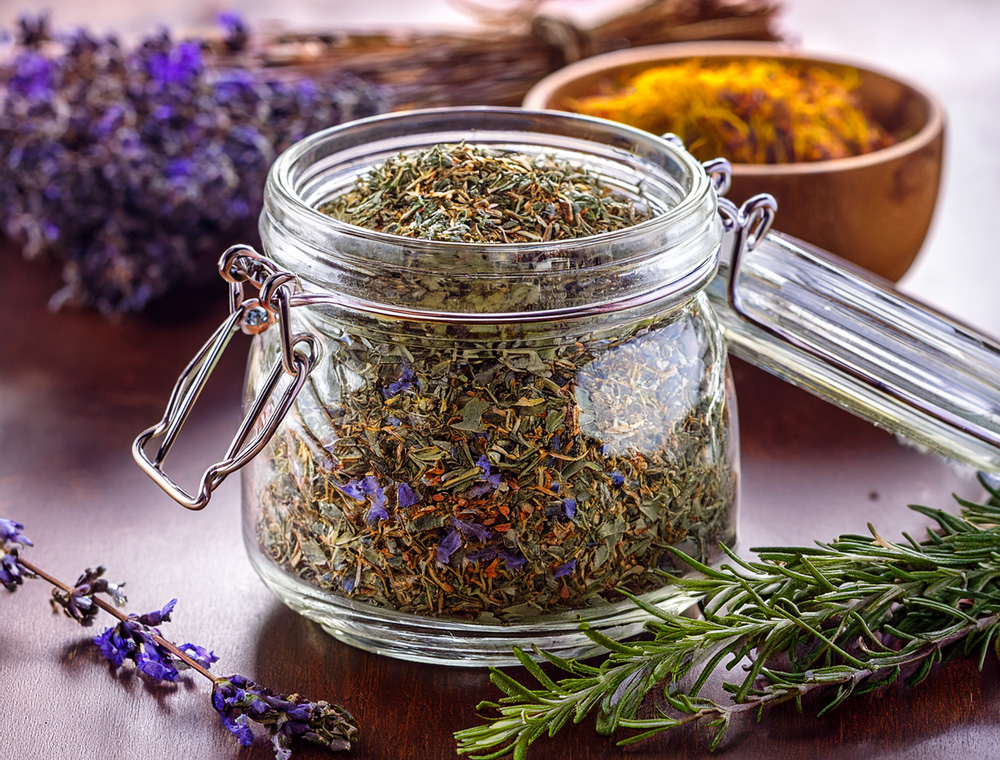
Understanding Nature’s Secrets to Preserve Your Harvest
.
A Scientific Guide to Preserving Quality Preserving herbs properly is essential for maintaining flavor, aroma, and potency after harvest.Your garden’s herbs—rosemary, thyme, lavender, and more—are flavor vaults, with aromas and colors shaped by nature’s design. In biology, nature’s design follows a simple rule: structure equals function. Just as a house depends on a strong foundation,…
-
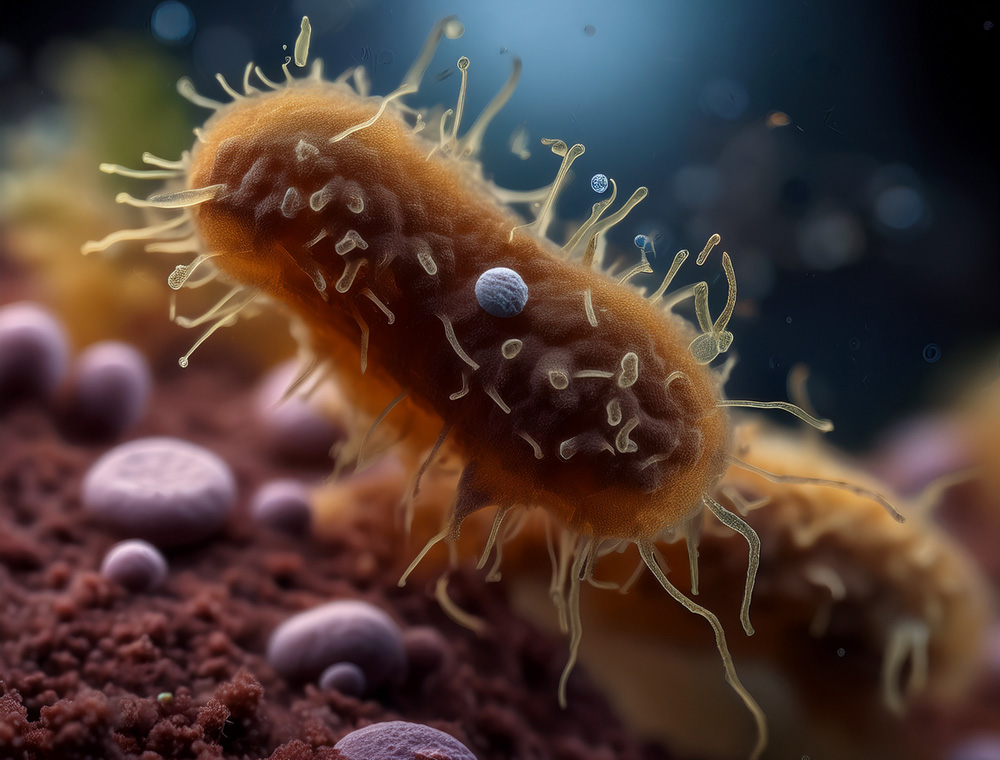
Agriculture’s New Frontier: The Microbial Revolution
.
From Ancient Practices to Precision Microbial Applications Modern agriculture is the result of thousands of years of biological innovation. From early seed selection to advanced genetics, biotechnology has continuously shaped how we grow food. Today, agriculture is entering a new phase—one driven by microbial systems and precision biology. Rather than relying solely on chemistry, growers…
-
Bridging Old and New for Thriving Gardens
.
Regenerative Agriculture: Practical or Not? Regenerative agriculture has gained significant momentum in recent years—and for good reason. This approach focuses on: At its core, regenerative agriculture aims to produce crops while rebuilding the soil system that supports them. But a key question remains: Is regenerative agriculture practical at scale? What Is Regenerative Agriculture? Regenerative agriculture…
-
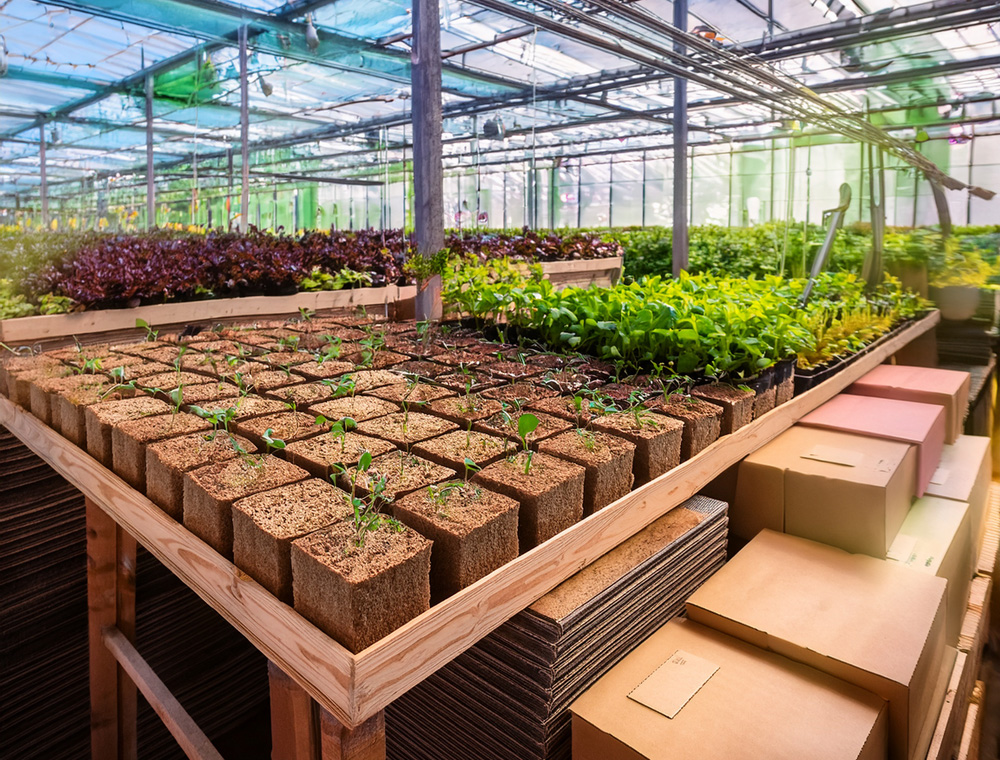
Is Rockwool Really Sterile for Plant Growth?
.
Understanding the Hidden Microbial Life in Rockwool Systems Is rockwool a sterile growing medium? Many growers view cultivation on a spectrum—living soil on one end with rich microbial life, and rockwool on the other, assumed to be sterile and biologically inactive. But is that actually true? More importantly—should rockwool be sterile? Why Rockwool Is Used…
-
What Gardening Taught Me About Failure, Growth, and Life
.
Lessons from Growing: Wisdom for Life Life in nature is unforgiving. Plants and animals face constant pressure to survive, grow, and reproduce—moment by moment. For plants, every moment matters. Humans, however, live by a different set of rules—a contrast in our coexistence that cannot be compared to the laws of the natural world. This article…
-
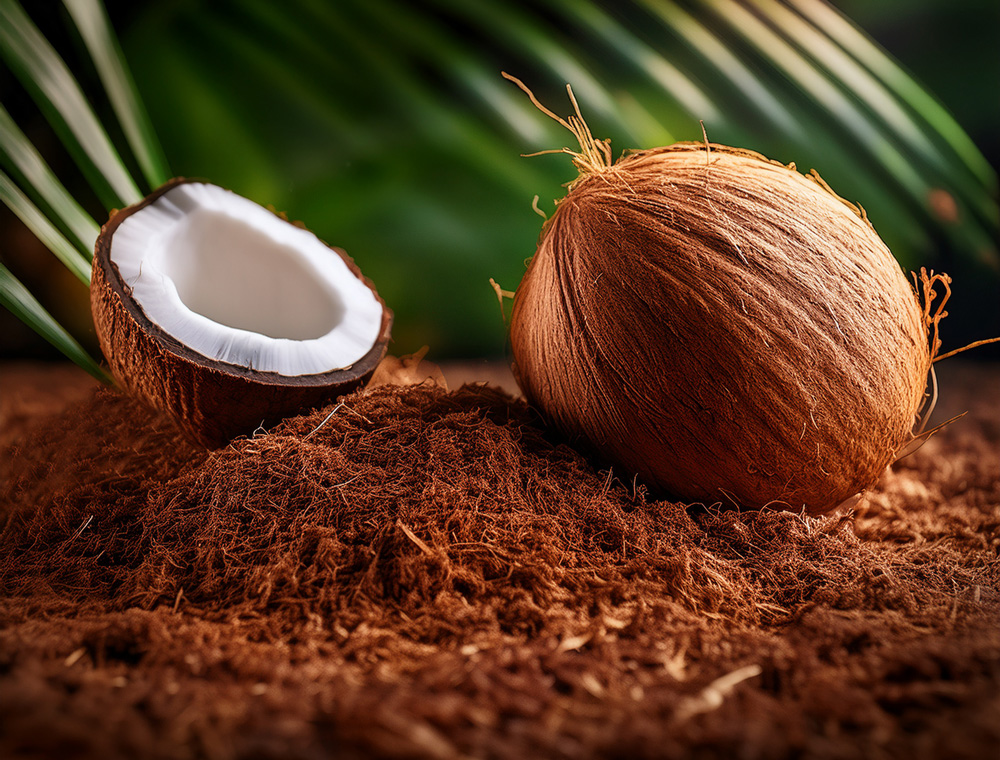
Secrets for Growth: How One Difference Changes Everything
.
Understanding the Role of Soil, Coco, and Peat in Plant Performance Plants evolved over 600 million years in a world dominated by microbes. Their roots developed in living soils rich with biological activity, forming relationships that drive nutrient cycling and plant health. When agriculture began over 11,000 years ago, early growers relied entirely on these…
-
Grow Better, Smarter: The Magic of Regenerative Agriculture
.
Regenerative Agriculture for Gardeners: Build Soil, Grow Better Plants Why Soil Health Is the Foundation of Plant Growth Hack an aspen tree down to its stump, and within weeks, it will regenerate new limbs. But strip away the soil beneath it, and it could take thousands of years before it can support that same tree.…
-

How to Control Garden Pests Naturally and Prevent Resistance
.
What if someone told you that the more you use most insecticides – the less they work? Have you seen mites on your plants, used a strong insecticide with early success, only to find them return stronger? Repeated use builds resistance in pests, reducing effectiveness over time. This is a growing issue. Why Pest Control…
-
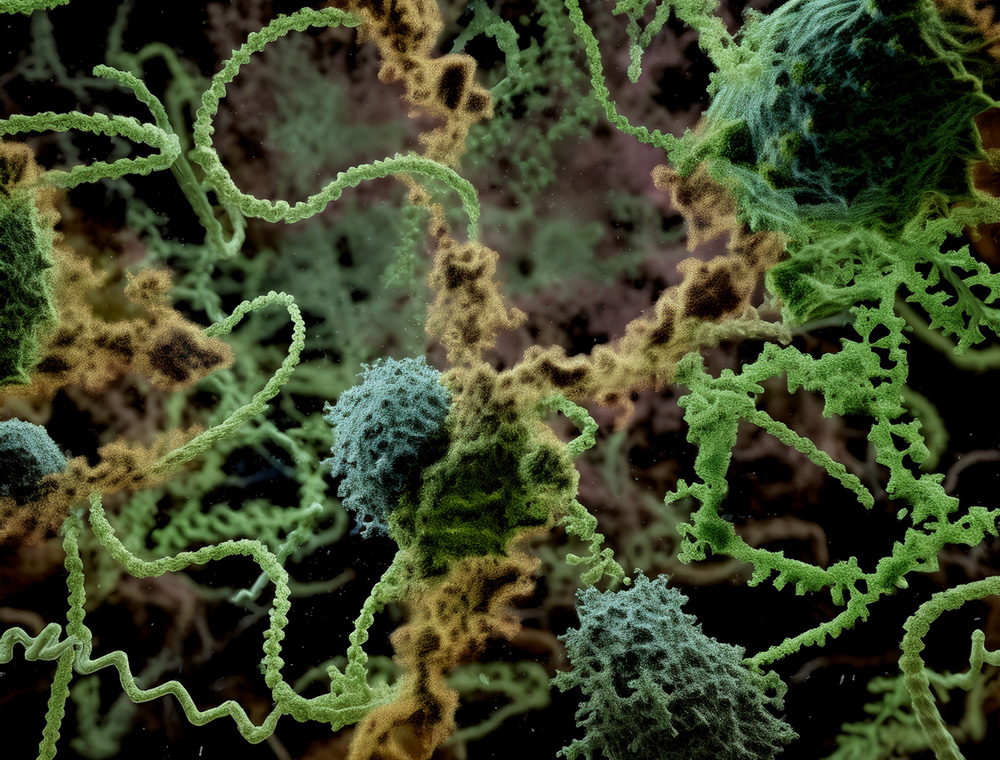
The Hidden Engine: How Soil Enzymes Drive Plant Growth
.
The Role of Soil Enzymes Introduction As global populations soar toward 9.7 billion by 2050, agriculture faces mounting pressure to produce more food while mitigating environmental impacts (FAO, 2023). Soil degradation, nutrient depletion, and climate change threaten yields, with 33% of global soils already degraded (USDA, 2023). Traditional farming relies heavily on chemical fertilizers, contributing…
-

Why Potassium is the Essential Element for Plant Growth
.
Igniting Plants to Prosper Why Potassium Matters Potassium (K) is one of the three primary macronutrients required for plant growth, alongside nitrogen (N) and phosphorus (P). Unlike nitrogen and phosphorus, potassium is not a structural component of plant tissues—but it plays a central role in regulating the physiological processes that drive growth, yield, and stress…