
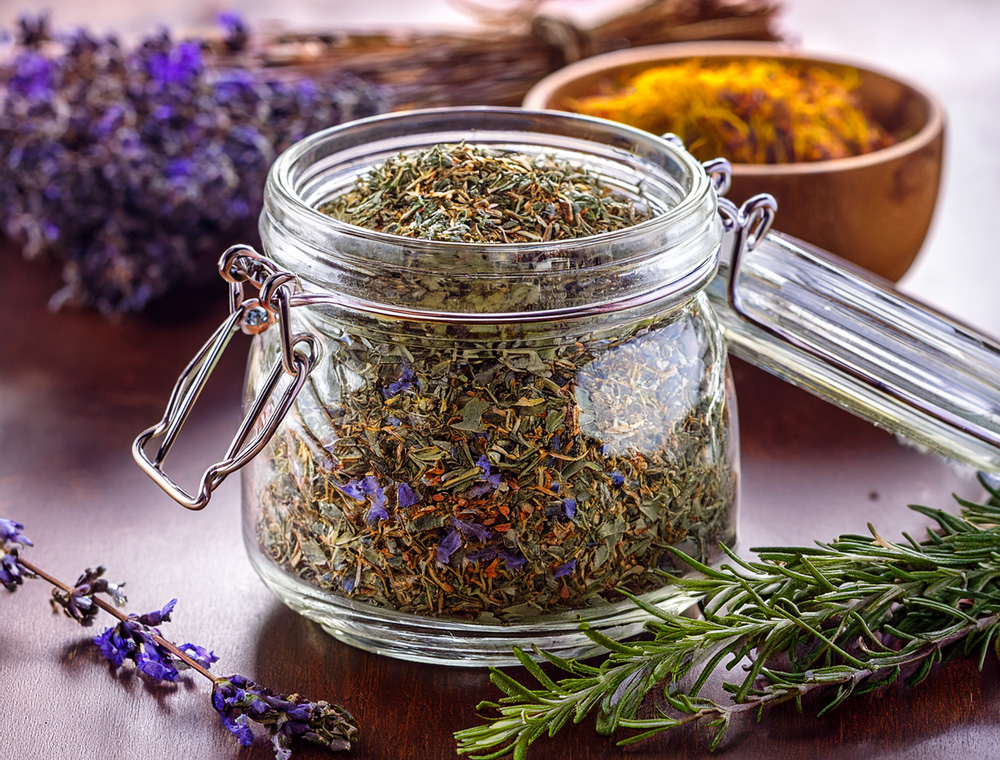

A Scientific Guide to Preserving Quality
Preserving herbs properly is essential for maintaining flavor, aroma, and potency after harvest.
Your garden’s herbs—rosemary, thyme, lavender, and more—are flavor vaults, with aromas and colors shaped by nature’s design.
In biology, nature’s design follows a simple rule: structure equals function. Just as a house depends on a strong foundation, a plant’s cells and compounds determine its resilience and quality. From sturdy cell walls to delicate terpenes, these structures define your harvest’s potency and shelf life.
This guide explores the science of preserving dried herbs, giving cultivators and home gardeners practical strategies to maintain peak quality.
The Science of Preserving Herbs After Harvest
Preserving herbs is a race against degradation—the natural breakdown of key compounds after harvest.
Whether drying basil for culinary use or chamomile for teas, improper curing can quickly reduce:
- Flavor
- Aroma
- Potency
By controlling environmental conditions, growers can slow degradation and preserve quality.
Plant Structures That Protect Flavor and Potency
The quality of dried herbs depends on protecting key plant structures:
- Cell Walls → Provide structure; poor drying weakens integrity
- Trichomes → Store terpenes; easily damaged during handling
- Active Compounds → Functional molecules that degrade over time
- Terpenes → Drive aroma and flavor; highly volatile
- Flavonoids → Support color and health benefits; environmentally sensitive
Protecting these structures is essential for preserving herb quality.
What Causes Herbs to Lose Flavor and Potency
Degradation is driven by environmental factors that disrupt plant chemistry:
Light Degrades Quality
UV light triggers photo-oxidation, generating free radicals that break down terpenes, flavonoids, and cell structures.
Heat Accelerates Degradation
Heat accelerates chemical reactions that degrade key compounds.
Above 70°F (21°C), terpenes evaporate, and potency declines.
Oxygen Drives Oxidation
Air exposure transforms aromatic compounds into less potent forms, dulling aroma and color.
Humidity Imbalance Damages Structure
- Too Wet (>62% RH) → Mold and microbial growth degrade plant tissue
- Too Dry (<55% RH) → Trichomes become brittle, releasing terpenes
Time Reduces Potency
Even under ideal conditions, compounds degrade gradually over time.
Contaminants Compromise Quality
Poor handling introduces microbes or residues that accelerate degradation and reduce safety.
Insight
Switching to UV-proof, airtight curing jars preserves both aroma and potency in the next cycle.
How to Preserve Herbs: Drying, Curing, and Storage Tips
Proper preservation depends on controlling drying, curing, and storage conditions.
Optimal Conditions
- Temperature: 60–66°F (15–19°C)
- Humidity: 55–62% RH
- Light: Store in darkness
- Oxygen: Use airtight containers
Best Practices for Preserving Herbs
| Practice | Recommended | Avoid |
| Storage | UV-proof, airtight glass jars | Clear plastic or open air |
| Humidity | 55–62% RH with humidity control | Too dry or too humid |
| Temperature | Cool, stable environment | Heat exposure (>70°F) |
| Curing | 2–4 weeks | Rushing or skipping |
| Handling | Clean, minimal contact | Frequent or rough handling |
Nutrient Strategies That Improve Preservation
Preservation begins before harvest.
Healthy, well-fed plants develop stronger structural integrity and more stable compounds.
Key nutrients:
- Calcium (Ca) → Strengthens cell walls
- Silicon (Si) → Reinforces trichomes and structure
- Magnesium (Mg) → Supports terpene production
- Boron (B) & Zinc (Zn) → Support cellular function
Healthy plants produce more resilient compounds—making preservation more effective.
Understanding Moisture Dynamics
Successful drying and curing depend on three key metrics:
- Moisture Content: 10–12%
- Water Activity: 0.6–0.65
- Relative Humidity: 58–62%
These metrics control both quality preservation and microbial safety.
Practical Preservation Techniques
Follow these science-backed steps:
| Practice | Recommended | Avoid |
| Storage | Airtight, UV-protected containers | Light exposure |
| Humidity | Maintain stable RH | Fluctuations |
| Temperature | Keep cool and consistent | Heat spikes |
| Monitoring | Regular checks | Neglect |
Additional Strategies
- Store in small batches to reduce air exposure
- Use hygrometers to track humidity
- Check regularly for mold or off-odors
- For long-term storage, consider vacuum sealing or refrigeration (~41°F / 5°C)
The Takeaway
Preserving herbs is both a science and a process.
By controlling light, heat, oxygen, humidity, and handling, growers can:
- Maintain flavor and aroma
- Preserve potency
- Extend shelf life
Better preservation leads to better quality—and better outcomes from every harvest.
Simple Summary
- Herb preservation protects flavor, aroma, and potency
- Environmental factors drive degradation
- Proper drying, curing, and storage are essential
- Plant nutrition influences post-harvest quality
- Small process improvements create major quality gains
Want more Science? Check out the article below:
Drying as a preservation strategy for medicinal plants: Physicochemical and functional outcomes for food and human health
Nakra, S., et al. (2025). Phytomedicine Plus 5(2): 100762.


Leave a Reply