
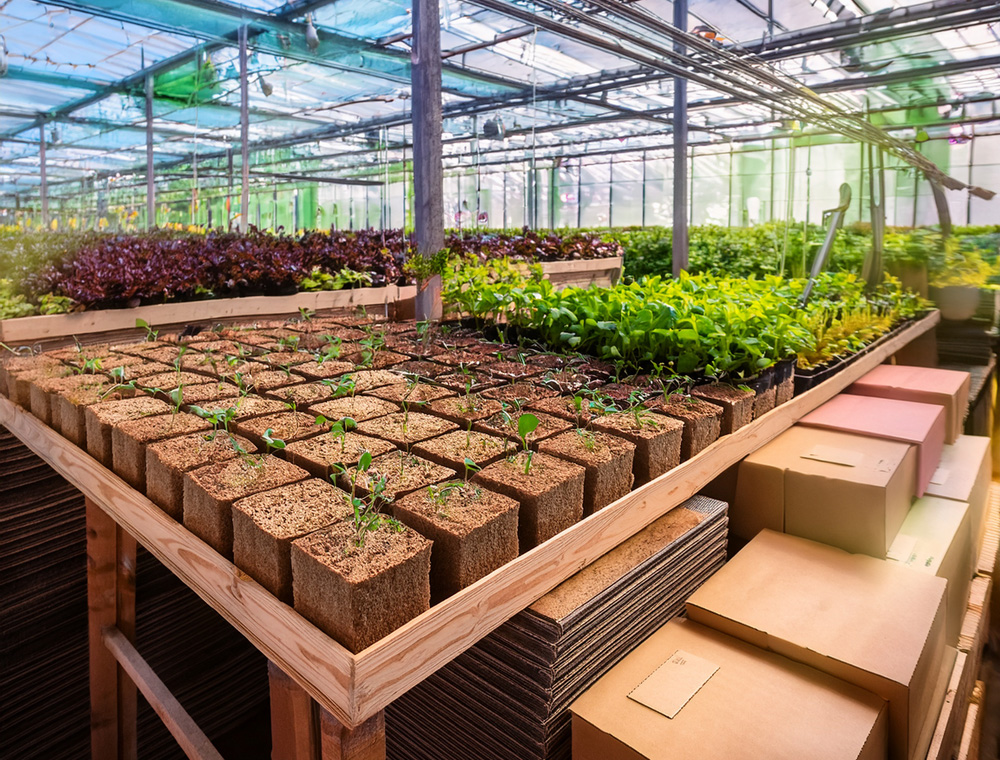

Understanding the Hidden Microbial Life in Rockwool Systems
Is rockwool a sterile growing medium?
Many growers view cultivation on a spectrum—living soil on one end with rich microbial life, and rockwool on the other, assumed to be sterile and biologically inactive.
But is that actually true?
More importantly—should rockwool be sterile?
Why Rockwool Is Used in Modern Cultivation
Rockwool is widely used in hydroponic and controlled environment agriculture due to its consistency and precision.
Key advantages of rockwool:
- Uniform structure and consistency
- Sterile at production (high-heat manufacturing)
- Chemically inert (no nutrient buffering)
- Neutral pH
- Ideal for precision irrigation and crop steering
Because of these traits, most rockwool systems rely on:
- Synthetic nutrient programs
- Frequent fertigation
- Disinfection strategies (e.g., hypochlorous acid)
This leads many growers to assume:
Rockwool systems are sterile environments
The Reality: Rockwool Is Not Sterile for Long
While rockwool starts sterile, research shows that microbial communities rapidly establish in the root zone during cultivation.
Studies of hydroponic systems using rockwool demonstrate:
- Increasing microbial biomass over time
- Expanding bacterial diversity across the crop cycle
- Active plant–microbe interactions in the rhizosphere
In reality, rockwool behaves more like a developing biological system than an inert one.
Microbial Ubiquity: Why Sterility Doesn’t Last
A key principle in microbiology:
Microbes are everywhere.
They exist in:
- Air
- Water
- Equipment surfaces
- Plant material
- Fertigation systems
Even in highly controlled environments, microbes inevitably enter the system.
Simple demonstrations—like plating irrigation runoff—consistently show active microbial populations, even in systems believed to be sterile.
Research confirms this:
- Hydroponic rockwool systems develop diverse microbial communities over time (Thomas et al., 2023)
Environmental Selection: What Shapes the Rockwool Microbiome
While microbes are ubiquitous, the environment determines which ones survive.
In rockwool systems, key selection pressures include:
- Irrigation frequency
- Nutrient concentration (EC)
- pH
- Temperature
- Oxygen levels
- Disinfectants
Only microbes adapted to these conditions persist and dominate.
This means:
- Sterility is temporary
- Biology is inevitable
- The system selects its own microbiome
The Role of Plants: Engineering the Root Zone
Plants actively shape microbial communities through root exudates—organic compounds released into the rhizosphere.
These exudates:
- Provide carbon (energy) for microbes
- Stimulate microbial growth
- Influence which species thrive
Plants can allocate up to ~40% of their photosynthetic output to support these interactions.
Even in rockwool, plants are actively building a microbiome around their roots.
How Rockwool Microbiomes Differ from Soil
Rockwool systems do develop microbial life—but they differ from soil:
- Lower overall diversity
- Strong bacterial dominance
- Limited fungal populations
- Gradual development over time
Unlike soil, rockwool starts biologically empty—so the microbiome must assemble from scratch during the crop cycle.
Why the Rockwool Microbiome Matters
If microbes are inevitable, the real question becomes:
Should growers manage the microbiome instead of fighting it?
There are several key benefits to embracing biology in rockwool systems:
1. Biocontrol and Disease Suppression
Beneficial microbes can:
- Compete with pathogens
- Suppress harmful organisms
- Reduce early-stage plant vulnerability
This is especially critical in young plants, where sterile conditions offer no biological protection.
2. Enhanced Root Development and Growth
Certain microbes promote plant growth by:
- Producing plant hormones
- Stimulating root branching
- Improving nutrient uptake
These effects are often highly visible in rockwool systems.
3. Improved Plant Quality and Secondary Metabolites
Research suggests microbes can:
- Activate plant immune responses
- Increase trichome density
- Enhance terpene and metabolite production
Some studies also indicate potential improvements in post-harvest quality and shelf life, though further validation is ongoing.
4. Increased Yield and System Efficiency
Microbial inoculation has been shown to:
- Improve crop performance in hydroponic systems
- Enhance nutrient efficiency
- Support more consistent growth
Rethinking “Sterile” Growing Systems
The idea of a sterile root zone is largely a myth in real-world cultivation.
In practice:
- Microbes always establish
- Plants actively encourage them
- The environment selects them
The question is not whether microbes are present—
It’s whether they are working for you or against you
The Takeaway
Rockwool is not a sterile system—it is a developing biological environment.
- Microbes inevitably colonize the root zone
- Plants actively shape microbial communities
- Environmental conditions determine microbial composition
Growers who understand this can shift from:
- Trying to eliminate microbes – to – Managing and optimizing the microbiome
Summary
Rockwool starts sterile but does not remain sterile
Microbes are ubiquitous and rapidly colonize systems
Plants drive microbial community development through root exudates
Rockwool microbiomes are less diverse than soil but still functional
Managing microbes can improve plant health, yield, and quality






Leave a Reply