


Igniting Plants to Prosper
Why Potassium Matters
Potassium (K) is one of the three primary macronutrients required for plant growth, alongside nitrogen (N) and phosphorus (P). Unlike nitrogen and phosphorus, potassium is not a structural component of plant tissues—but it plays a central role in regulating the physiological processes that drive growth, yield, and stress tolerance.
Potassium is essential for:
- Water regulation
- Enzyme activation
- Photosynthesis efficiency
- Nutrient transport
When potassium is optimized, plants grow more efficiently, use water more effectively, and produce higher-quality yields.
How Potassium Drives Plant Growth
1. Regulates Water and Stomatal Function
Potassium controls stomatal opening and closing, regulating:
- CO₂ uptake for photosynthesis
- Transpiration and water use efficiency
Adequate potassium improves drought tolerance, water-use efficiency, and overall plant performance.
2. Activates Enzymes and Energy Systems
Potassium activates dozens of plant enzymes involved in:
- Photosynthesis
- Protein synthesis
- Carbohydrate metabolism
While potassium does not directly form ATP, it is essential for the enzymatic systems that support energy transfer and metabolic efficiency.
3. Improves Nutrient Transport
Potassium plays a critical role in:
- Phloem transport (movement of sugars)
- Xylem function (water and mineral movement)
This directly impacts:
- Fruit and flower development
- Root growth
- Overall plant vigor

Potassium ignites thriving blooms
Potassium Deficiency: Impact on Yield and Quality
When potassium is limited:
- Leaf edges burn (marginal necrosis)
- Growth slows
- Stems weaken
- Yield and quality decline
Potassium deficiency is consistently associated with reduced yield, poor stress tolerance, and lower crop quality.
Why Potassium Availability Is Limited
Even when total potassium levels are high, only a small fraction is plant-available.
Key Constraints:
- Mineral-bound K → locked in feldspars and micas
- Exchangeable K → limited reserve pool
- Soil solution K → small fraction immediately available
Additional limitations:
- Sandy soils → increased leaching
- High salinity → nutrient imbalance
- Poor root systems → reduced uptake
Challenges in Getting Potassium to Plants
Even when present, making Potassium available to plants in soil is no easy task. Here are the key obstacles:
- Root Access: Plants need healthy roots to absorb potassium, but stressed or underdeveloped roots struggle to reach it, leading to deficiency.
- Locked-Up Potassium: Up to 95% of potassium is tightly bound in soil minerals, with only about 5% loosely held on exchange sites, and just 1% in the soil solution for plant uptake.
- Loss and Imbalance: Potassium fertilizers like potash (K₂O) can become unavailable after application, leaching away or building up as salts, which harms plants if overused.
Table 1: Potassium Deficiency vs. Healthy Plants
| Characteristic | Potassium-Deficient Plant | Healthy Plant |
| Growth Rate | Slow, stunted | Vigorous, steady |
| Leaf Color | Yellowing or browning at edges | Vibrant green |
| Leaf Health | Severe necrosis on edges | No dead spots |
| Yield | Reduced (up to 15% lower) | Optimal |
| Plant Structure | Weak, drooping stems | Strong, upright |
How Plants Absorb Potassium
Plants absorb potassium in its ionic form (K⁺) directly from the soil solution through their roots. Unlike nitrogen or phosphorus, potassium is not incorporated into organic structures—it remains in ionic form and moves freely within the plant.
1. Root Uptake from Soil Solution
Potassium uptake occurs when K⁺ ions move from the soil solution into root cells through specialized membrane transport proteins.
Two primary mechanisms drive this process:
- Passive uptake → when potassium is abundant, K⁺ moves along a concentration gradient
- Active uptake → when potassium is limited, plants use energy (ATP) to transport K⁺ into roots
Because soil solution potassium is often low, plants frequently rely on active transport systems.
2. Movement Through the Plant
Once inside the plant, potassium is highly mobile and moves through two key systems:
- Xylem → transports potassium from roots to shoots with water
- Phloem → redistributes potassium to growing tissues (leaves, fruits, roots)
This mobility allows potassium to support:
- New growth
- Flower and fruit development
- Stress response
3. Root–Soil Interaction Matters
Potassium uptake depends heavily on root and rhizosphere conditions:
- Root surface area (more roots = more uptake)
- Soil moisture (K⁺ moves with water)
- Soil aeration (oxygen supports root activity)
- Cation competition (Ca²⁺, Mg²⁺, Na⁺ can interfere with uptake)
Even when potassium is present, poor root conditions can limit absorption.
4. Why Availability and Uptake Are Linked
Because potassium must be in the soil solution to be absorbed:
- Rapid plant uptake can quickly deplete available K
- Soil minerals must continuously replenish the solution
- Microbial activity can help release additional potassium
This creates a dynamic system where potassium efficiency depends on availability, root health, and biological activity in the rhizosphere.
Because potassium must be present in the soil solution as K⁺ to be absorbed, both soil chemistry and microbial activity directly influence plant potassium uptake.
Why This Matters
Understanding how plants absorb potassium helps explain why:
- High total soil potassium does not guarantee availability
- Root health is critical for nutrient efficiency
- Microbial activity can enhance—not replace—uptake
Efficient potassium uptake is not just about supply—it’s about system function. This same principle applies to other essential nutrients like nitrogen and phosphorus, where availability, uptake, and microbial interactions determine overall nutrient efficiency.
Using Beneficial Bacteria to Boost Potassium
Soil microbes are nature’s key to unlocking potassium for plants. Here’s how they help:
The Role of Microbes in Potassium Cycling
Certain soil microbes can enhance potassium availability and efficiency:
1. Mineral Solubilization
Bacteria such as Bacillus and Pseudomonas can:
- Produce organic acids
- Mobilize potassium from mineral sources
2. Rhizosphere Enhancement
Microbial activity improves:
- Root surface area
- Nutrient exchange efficiency
- Soil structure and cation exchange dynamics
3. Indirect Plant Growth Promotion
Microbes support:
- Root development
- Nutrient uptake efficiency
- Plant resilience under stress
Important: Microbes improve potassium availability and efficiency—they do not replace fertility program
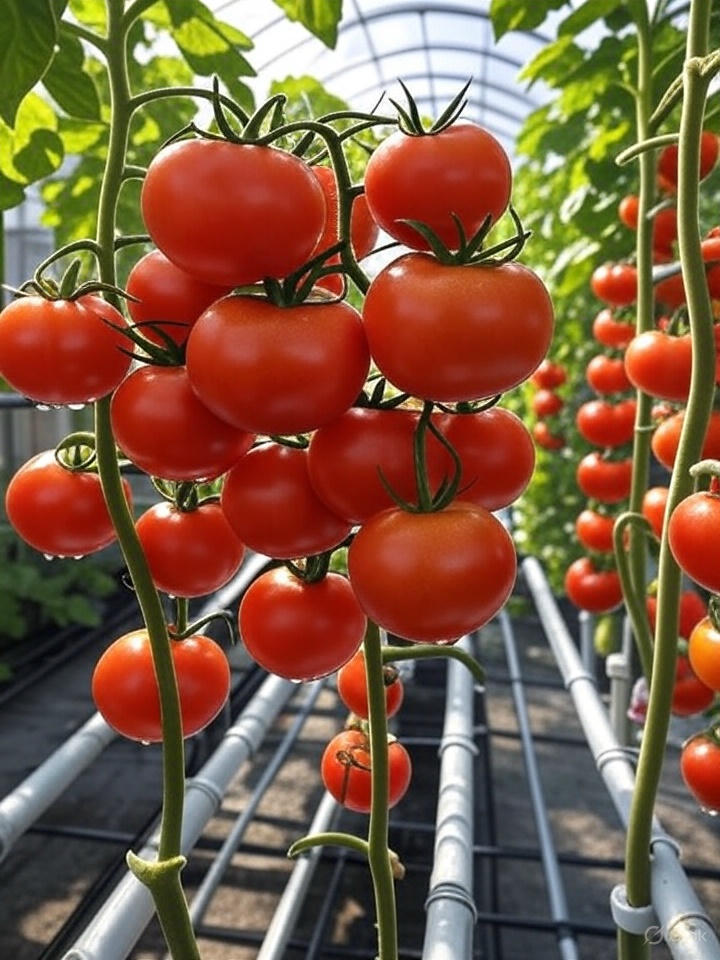
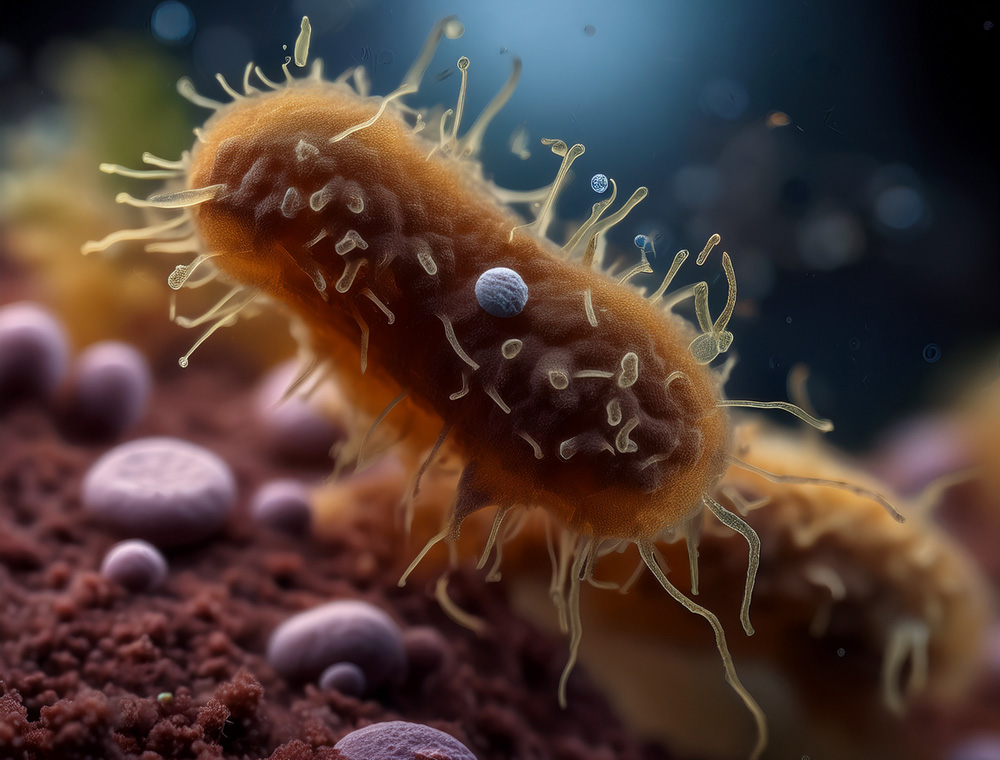
Potassium and microbes drive thriving crops
Field Insight: Biology Improves Efficiency
Across both soil and soilless systems:
- Biological systems improve consistency—not just peak yield
- Nutrient performance improves when biology is active
- Potassium efficiency increases with rhizosphere activity
Key insights:
Potassium is a key regulator of plant performance—the vital spark that ignites plant growth, powering photosynthesis, energy production, and nutrient transport.
- Drives water regulation, enzyme activity, and nutrient transport
- Often present in soil but not fully available
- Microbes can improve potassium efficiency
- Best results come from integrating chemistry and biology
Better potassium management = better yield, quality, and efficiency
References
- Etesami, H., Emami, S., & Alikhani, H. A. (2017). Potassium-solubilizing microorganisms. Frontiers in Plant Science, 8, Article 158.
- Marschner, P. (2012). Marschner’s Mineral Nutrition of Higher Plants. Academic Press.
- Paul, E. A. (2015). Soil Microbiology, Ecology and Biochemistry. Academic Press.
- Sparks, D. L., & Huang, P. M. (1985). Potassium dynamics in soils. Advances in Agronomy, 37, 1–63.
- Wang, Y., Wu, W. H., & Liu, T. Y. (2013). Potassium transport and signaling. Plant Physiology, 161(2), 948–960.
- Zörb, C., Senbayram, M., & Peiter, E. (2014). Potassium in agriculture – status and perspectives.
Journal of Plant Physiology, 171(9), 656–669.



Leave a Reply