
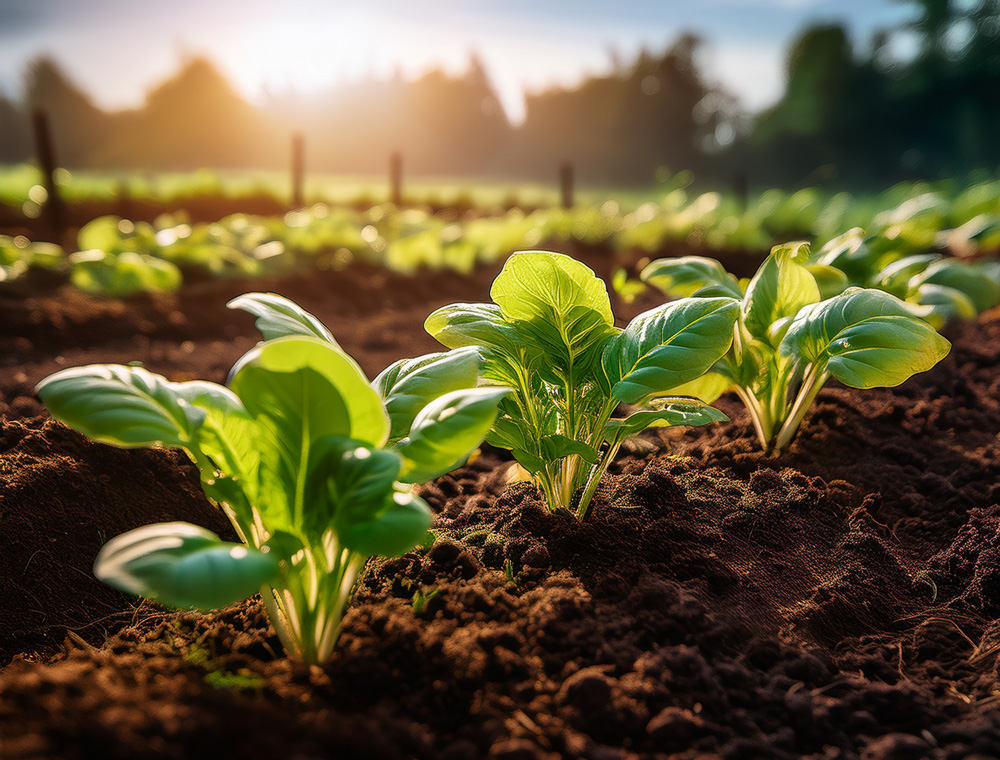

Regenerative Agriculture for Gardeners: Build Soil, Grow Better Plants
Why Soil Health Is the Foundation of Plant Growth
Hack an aspen tree down to its stump, and within weeks, it will regenerate new limbs. But strip away the soil beneath it, and it could take thousands of years before it can support that same tree.
This contrast highlights a powerful truth:
Healthy soil is the foundation of resilient plant growth—because it represents the ultimate ability to generate (or regenerate) growth and success.
What Is Regenerative Agriculture?
Regenerative agriculture is the concept that focuses on rebuilding soil so it can support crops season after season—with fewer chemical inputs and greater long-term productivity.
Regenerative agriculture is the practice of restoring and enhancing soil health to improve plant growth, environmental sustainability, and farm resilience.
At its core, it combines:
- Biology (soil microbes and organic matter)
- Ecology (biodiversity and natural systems)
- Agronomy (practical farming methods)
The goal is simple: Build living soil that supports plants naturally.
Why Regenerative Agriculture Matters Now
Soil degradation is a global issue. Research suggests that up to 50% of topsoil has been lost worldwide due to intensive farming practices.
As soils degrade:
- Nutrient availability declines
- Water retention decreases
- Crop productivity becomes less stable
Regenerative agriculture offers a path forward by restoring the biological systems that make soil productive.
The Core Principles of Regenerative Agriculture
Four key principles guide regenerative systems:
- Reduce soil disturbance (minimize tillage)
- Keep soil covered (cover crops, mulch)
- Minimize chemical inputs
- Increase biodiversity (plants, microbes, animals)
These principles work together to improve soil structure, fertility, and biological activity.
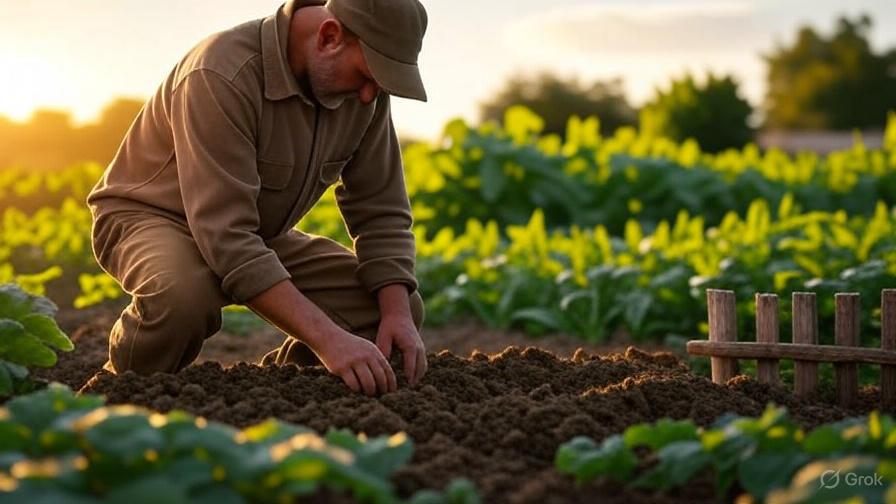
Proven Benefits of Regenerative Practices
Research and field experience show that regenerative agriculture can:
- Improve soil fertility and structure
- Increase water retention and drought resilience
- Enhance microbial activity and nutrient cycling
- Reduce reliance on synthetic inputs
In one study, regenerative corn systems showed 78% higher profits despite slightly lower yields—demonstrating improved economic resilience.
Modern Regenerative Agriculture: Not a Step Back, But a Step Forward
While regenerative practices often draw from traditional and Indigenous farming systems, modern science is accelerating their impact.
Today, growers can combine:
- Cover crops and no-till systems
- Compost and organic amendments
- Biological inputs and microbial technologies
These tools help rebuild soil faster and more efficiently than ever before.
How to Start: Think “Grow Soil, Not Plants”
The most important mindset shift:
Focus on building soil health, not just feeding plants.
Healthy soil creates the conditions for plants to thrive naturally—with less intervention.
Composting: The Foundation of Regenerative Soil
Composting is one of the simplest and most powerful ways to improve soil health.
It uses microbes to break down organic matter into nutrient-rich material that feeds both soil and plants.
The 3 essentials of composting:
- Microbes → drive decomposition
- Oxygen → supports aerobic activity
- Moisture → enables microbial function
Ideal moisture: like a damp sponge (not soggy)
Simple tips:
- Turn compost weekly to maintain airflow
- Use a mix of carbon (leaves) and nitrogen (food scraps)
- Smaller particle size = faster breakdown
How Compost Supports Plant Nutrition
Compost provides:
- Slow-release nutrients
- Organic matter for soil structure
- Microbial populations that drive nutrient cycling
To measure nutrient levels:
- Use soil testing labs initially
- Transition to simple on-site monitoring (PPM testing)
Over time, compost can reduce dependence on synthetic fertilizers.
Do You Still Need Nutrients?
In early stages—yes.
But as soil health improves:
- Nutrient cycling becomes more efficient
- Microbial activity increases
- External inputs can be reduced
Different compost inputs = different nutrient profiles
Mastering this is key to long-term success.
Expanding Regenerative Practices
Once composting is established, growers can expand into:
- Raised bed systems
- Companion planting
- Crop rotation
- Biological pest management
These practices increase system resilience and reduce risk.
Why This Matters for Growers
Regenerative agriculture delivers more than sustainability—it delivers performance.
Growers often see improvements in:
- Plant health and vigor
- Flavor, quality, and yield consistency
- Reduced need for pesticides and fertilizers
The Takeaway
Regenerative agriculture is about working with nature—not against it.
By focusing on soil biology, growers can:
- Build resilient growing systems
- Improve long-term productivity
- Reduce input costs
- Produce higher-quality crops
Build soil. Unlock plant potential. Grow better.
Simple Summary
Healthy soil drives plant growth
Regenerative agriculture restores soil biology
Composting is a foundational practice
Microbes unlock nutrients naturally
Better soil = better crops + better efficiency





Leave a Reply